Dark Matter: The Invisible Force Shaping the Universe
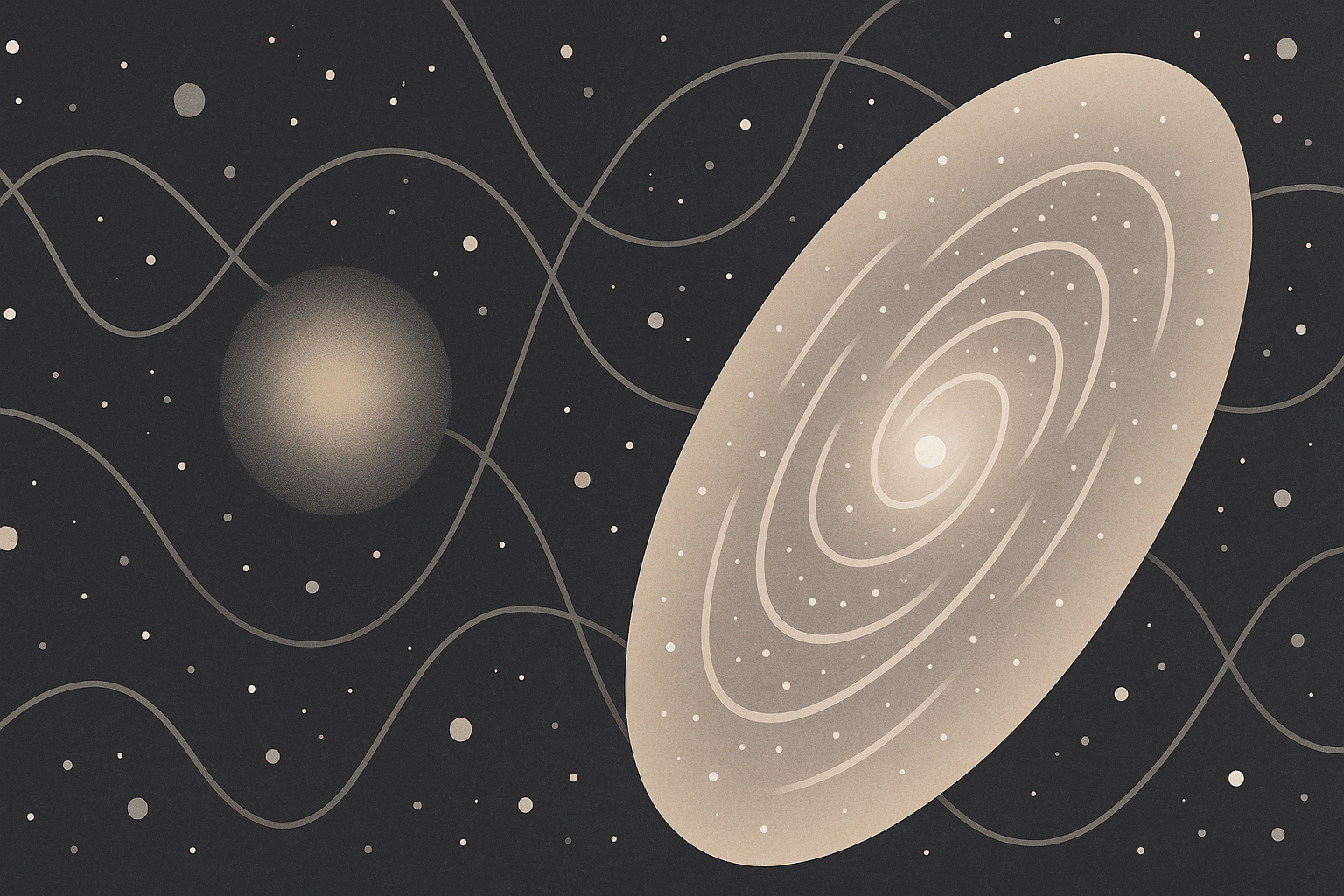
Dark matter, a phenomenon first proposed by Swiss astrophysicist Fritz Zwicky in 1933, is a type of matter that does not emit, absorb, or reflect any electromag
Overview
Dark matter, a phenomenon first proposed by Swiss astrophysicist Fritz Zwicky in 1933, is a type of matter that does not emit, absorb, or reflect any electromagnetic radiation, making it invisible to our telescopes. Despite its elusive nature, dark matter's presence can be inferred through its gravitational effects on visible matter and the large-scale structure of the universe. It is estimated that dark matter constitutes approximately 27% of the universe's total mass-energy density, while visible matter makes up only about 5%. The search for dark matter is an active area of research, with scientists employing a range of detection methods, from highly sensitive instruments like the Large Underground Xenon (LUX) experiment to futuristic projects such as the Square Kilometre Array (SKA) telescope. The discovery of dark matter's properties could revolutionize our understanding of the universe, from the formation of galaxies to the behavior of subatomic particles. With a vibe score of 8, indicating a high level of cultural energy and fascination, the mystery of dark matter continues to captivate scientists and the public alike, with many considering it one of the most pressing questions in modern astrophysics.